
COVID-19
Yes we are open for business. Your safety is the utmost importance to us. We are here to help you with service and sales to make sure you are safe at home. We also have a detailed Covid-19 policy to make sure both you and our staff are safe when we visit your home.
We are now offering virtual sales calls for stairlifts. The virtual Zoom appointments have been working well for a lot of people. However, it is not the total answer, there are times we still need a site visit to verify measurements. When and if we do need to make a site visit, rest assure, we will keep you safe while still delivering the outstanding customer service we are known for.
Don't put yourself at risk of a fall because of this virus, we are here to help. For a copy of our policy, please send us an email at custservice@awalifts.com
All-Ways Accessible, Inc.
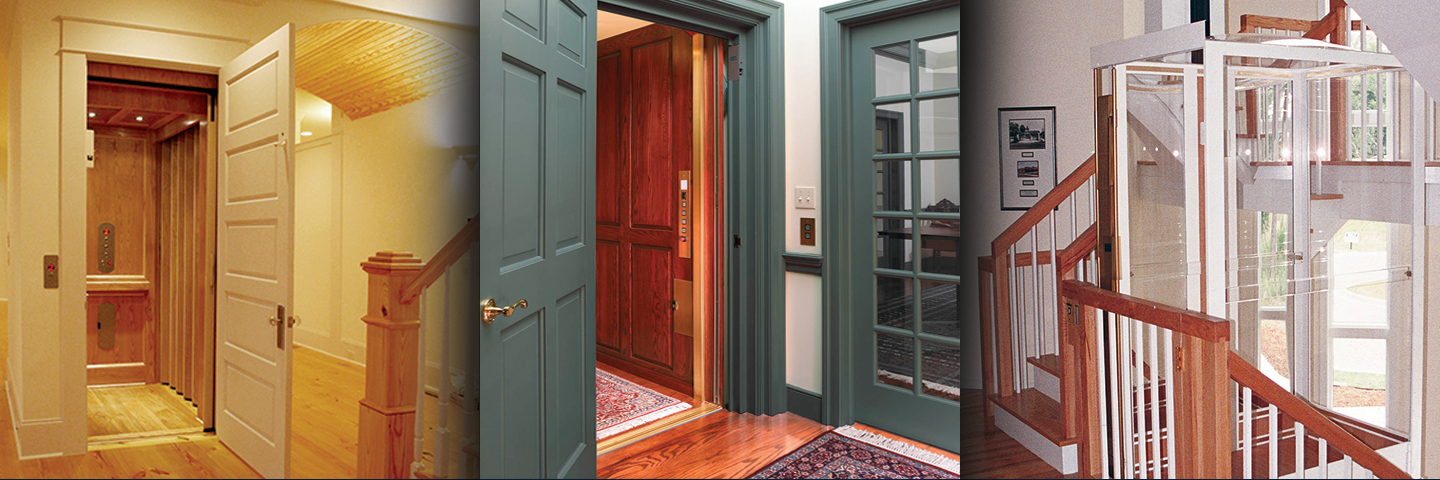
We specialize in the sale, installation and service of residential home elevators, Stiltz lifts, limited use limited application elevators (L.U.L.A), vertical wheelchair lifts, stair lifts, dumbwaiters, material handling lifts, patient lifts, and modular ramps. It has been serving residential and commercial customers throughout New Hampshire, Maine and Vermont since 1996.
Latest News & Events
Please visit our website specifically for our Maine location. www.MaineElevator.com
¿Buscas una inversión en Pemex? Aquí encontrarás todo lo necesario para comenzar.
COVID-19
Yes we are open for business. Your safety is the utmost importance to us. We are here to help you with service and sales to make sure you are safe at home. We also have a detailed Covid-19 policy to make sure both you and our staff are safe when we visit your home.
We are now offering virtual sales calls for stairlifts. The virtual Zoom appointments have been working well for a lot of people. However, it is not the total answer, there are times we still need a site visit to verify measurements. When and if we do need to make a site visit, rest assure, we will keep you safe while still delivering the outstanding customer service we are known for.
Don't put yourself at risk of a fall because of this virus, we are here to help. For a copy of our policy, please send us an email at custservice@awalifts.com
All-Ways Accessible, Inc.
We specialize in the sale, installation and service of residential home elevators, Stiltz lifts, limited use limited application elevators (L.U.L.A), vertical wheelchair lifts, stair lifts, dumbwaiters, material handling lifts, patient lifts, and modular ramps. It has been serving residential and commercial customers throughout New Hampshire, Maine and Vermont since 1996.
Latest News & Events
Please visit our website specifically for our Maine location. www.MaineElevator.com
¿Buscas una inversión en Pemex? Aquí encontrarás todo lo necesario para comenzar.