
Specializing in Residential Elevators, Stairlifts, Wheelchair Lifts, Patient Lifts & Dumbwaiters

COMMERCIAL ELEVATOR, RESIDENTIAL ELEVATOR FAQs

Have a Commercial or Residential Elevator question that is not listed here? Or just need more information? Email us!

Q. Why does code matter if my elevator isn't being inspected?
A. One word "Safety". Just because it is not being inspected does not mean the safety code is not important.

Q. Aren't Home Elevators Expensive?
A. If you consider the cost of building up verses out, they will save you money while allowing you to access the entire home.

Q. What's the difference between a "Residential Elevator" and a "Commercial Elevator"? Is the product different or just the code or both?
A. This is not an easy question to answer because there are many differences. Where the elevator is installed dictates whether it is commercial or residential. And make sure you understand the State definition of private residence versus public or commercial. Public or commercial applications have different code requirements; code dictates the product specifications and features. Don't let anyone tell you there is no difference because you will end up paying more in the long run.

Q. I have an existing home, can I still have an elevator installed?
A. Most of the time the answer is yes. Our Accessibility Specialists can help you determine if it is possible and what your best options are.

Q. Do elevators in New Hampshire, Maine and Vermont need to meet the Americans with Disabilities Act (ADA) requirements?
A. Elevator code is different from ADA code, and just because a piece of equipment meets elevator code does not mean it meets the ADA requirement for a specific installation. Whether an application meets the ADA requirements is up to the "Authority Having Jurisdiction" (AHJ). This can be your state, city or local code enforcement agency. The building owner needs to check with the local officials to be sure the product meets the local requirements. We can help with this, but it is the building owners responsibility to make sure the AHJ has approved it.

Q. Are annual inspections required for commercial, public access elevator and accessibility lifts?
A. Yes.

Q. How often does an elevator or accessibility lift need to be inspected?
A. Once a Year, on the anniversary date of the installation.

Q. Can anyone maintain, repair or work on an elevator or accessibility lift?
A. If a lift is classified as "public access" or "commercial", then only a State licensed elevator or accessibility lifts mechanic can work on it.

Q. Who's responsibility is it to have the elevator or accessibility lifts inspected?
A. The owner or lessee of the building is responsible.

Q. Will an elevator increase the value of my home?
A. Usually, by as much as 10% of your homes value.

Q. Will a wheelchair fit in a home elevator?
A. Yes, all except the Vacuum Elevator or if you reduce the cab size of a traditional elevator.

Q. How often will a home elevator need to be serviced?
A. Manufacturers recommend at least once a year. Ask about our preventative maintenance contracts - it just might save you money!

Q. Are annual inspections required for a residential elevator or accessibility lift?
A. If installed in a single family private residence, NO. Which makes choosing your elevator contractor even more important - after all - it's just your family riding on it!

Q. What is the weight capacity?
A. Most will carry up to 750 - 950 lbs.

Q. What happens if I lose power?
A. A battery-operated safety feature operates lighting and enables the elevator to descend to the lowest level.

Q. Can I open the door to the elevator shaft while the elevator is in use?
A. No, landing doors are mechanically locked and only released when the elevator has arrived at that landing.

Q. How will I know which elevator to choose?
A. Our qualified Accessibility Specialist will perform a FREE site evaluation to suggest the best options for your needs and location, with no obligation.

Q. Can I install my own elevator?
A. Most states allow residential elevators to be installed without a license, but no elevator company worth its weight would sell a unit un-installed. In commercial applications all lifts and elevators must be installed by licensed professionals and must be inspected.

Q. Can I match the elevators interior walls to my home décor?
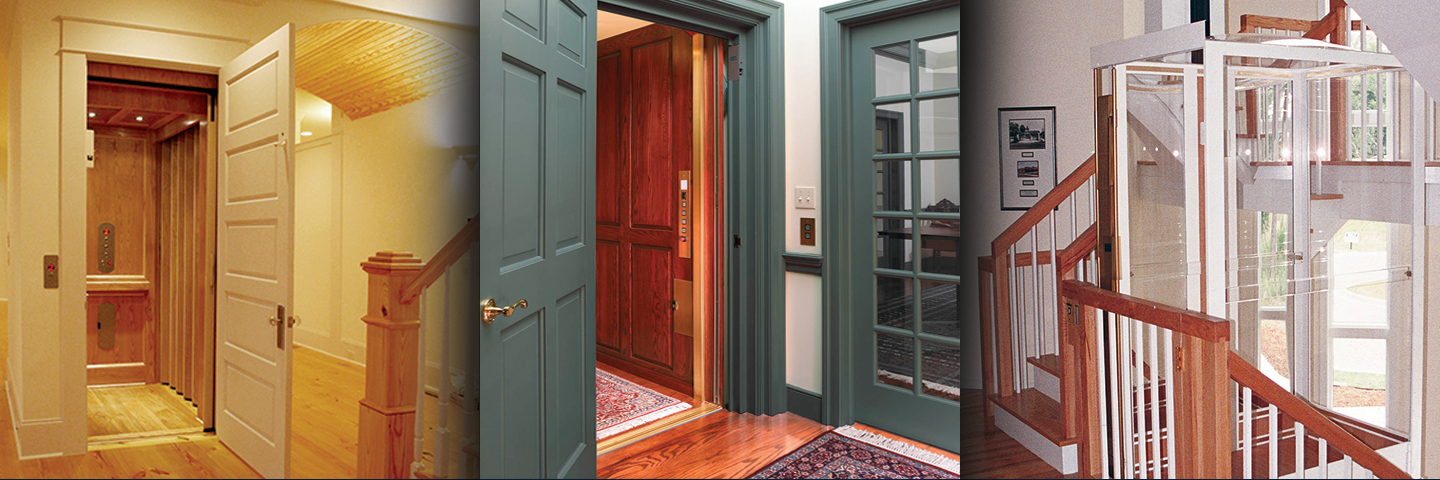
A. Almost always. Home elevators offer a wide variety of custom interiors.

Q. Can the elevator travel speed be adjusted?
A. The speed at which an elevator travels is set by the manufacturer, based on what the code allows.

Q. If I add the safety features, can I use a residential elevator in a public place?
A. NO, Residential units are built for homes and cannot be used in a public place.

Q. Is a residential elevator expensive?
A. There are many variables, but most people are surprised on how inexpensive they are.

All-Ways Accessible Inc.® - All-Ways the Right Choice

top of page


Call Us Today
TOLL FREE
800-684-0270


UPCOMING EVENTS


Waldo is a Busy Bear!
More info...


Residential
Elevators -
A Luxury That
Saves Money

Read article
by architect
Richard Taylor, AIA


FREE
FREE site evaluations
FREE layout/design svc
FREE in home product demonstrations
NO Obligation - Ever!
More info...


Member of National Accessibility & Elevator Referral Service